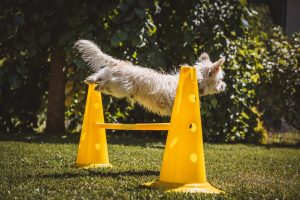
Bringing a large breed dog into your life is a rewarding experience filled with companionship, loyalty, and lots of slobbery kisses. However, owning a larger dog also comes with unique responsibilities, especially when it comes to training. Proper training isn’t just about teaching basic commands; it’s about ensuring your dog is a well-behaved member of your community and that you can confidently manage their size and strength. This guide will walk you through the essential aspects of training large dogs, providing practical tips and insights to help you succeed.
Understanding Large Breed Dog Behavior
Breed-Specific Considerations
Large breed dogs, such as Great Danes, Saint Bernards, and Bernese Mountain Dogs, often possess distinct temperaments and energy levels based on their historical roles. Some were bred as working dogs, requiring mental stimulation and physical activity to prevent boredom and destructive behaviors. Others were bred for guarding, making early socialization crucial to avoid aggression or excessive protectiveness.
- Working Breeds (e.g., German Shepherds, Border Collies): Require extensive training and consistent mental challenges. Puzzle toys, agility exercises, and advanced obedience training are highly beneficial.
- Giant Breeds (e.g., Great Danes, Irish Wolfhounds): Known for their gentle nature but require early socialization and training to manage their size and prevent accidental injuries to others.
- Guardian Breeds (e.g., Rottweilers, Doberman Pinschers): Need firm and consistent training with a focus on obedience and controlled responses to stimuli. Early socialization is paramount to ensure they are comfortable around strangers and other animals.
Understanding your dog’s breed predispositions allows you to tailor your training approach for optimal results. Research your breed thoroughly and consider consulting with a professional trainer experienced with large breeds.
Socialization is Key
Proper socialization during puppyhood (and continued throughout their life) is critical for large dogs. Expose your dog to a wide variety of people, places, sounds, and experiences in a positive and controlled manner.
- Early Exposure: Between 8 and 16 weeks is a critical period for socialization.
- Controlled Environments: Start with quiet, controlled environments before introducing more stimulating situations.
- Positive Reinforcement: Use treats, praise, and toys to create positive associations with new experiences.
For example, gradually introduce your puppy to car rides, walks in the park, and interactions with friendly, vaccinated dogs and people. This helps them develop into well-adjusted and confident adults.
Essential Training Commands for Large Dogs
Mastering Basic Obedience
Basic obedience commands are the foundation of any successful training program. These commands provide structure and allow you to effectively communicate with your dog.
- Sit: Start by holding a treat near your dog’s nose and moving it upwards and backwards over their head. As their head follows the treat, their rear should naturally lower into a sit position. Say “Sit” as they perform the action and reward them with the treat and praise.
- Stay: Once your dog knows “Sit,” command them to “Stay.” Initially, only ask them to stay for a few seconds, gradually increasing the duration as they improve. Use a hand signal (e.g., open palm facing them) and reward them for remaining in place.
- Come: Use a cheerful tone and say “Come” while gently pulling on the leash. When your dog comes to you, reward them enthusiastically with treats and praise. Practice this in a safe, enclosed area before attempting it in more distracting environments.
- Down: Similar to “Sit,” lure your dog into a down position by holding a treat near their nose and slowly moving it towards the floor. As they follow the treat, they should lie down. Say “Down” as they perform the action and reward them.
- Leave It: This command is crucial for preventing your dog from picking up potentially dangerous objects. Place a treat on the floor and cover it with your hand. When your dog tries to get the treat, say “Leave It.” Once they back away, reward them with a different treat from your hand.
Consistency is crucial. Practice these commands daily in short sessions (5-10 minutes) to maintain your dog’s focus and prevent boredom.
Leash Training and Walking Manners
Walking a large dog can be challenging if they haven’t been properly trained. Leash pulling, lunging, and reactivity can make walks unpleasant for both you and your dog.
- Loose-Leash Walking: Teach your dog to walk politely on a loose leash. If they start to pull, stop walking and wait for them to return to your side. Reward them when they walk calmly beside you.
- Heel Command: The “Heel” command teaches your dog to walk directly beside you at your pace. Use a treat to lure them into the desired position and reward them for maintaining it.
- Avoid Pulling: Consider using a front-clip harness or head halter to discourage pulling. These tools provide more control and make it easier to redirect your dog’s attention.
Practice leash training in a variety of environments, starting with quiet areas and gradually progressing to busier ones. Remember to be patient and consistent, and reward your dog for good behavior.
Addressing Common Challenges with Large Breed Dogs
Managing Size and Strength
The sheer size and strength of large breed dogs can present unique challenges, particularly when it comes to jumping, knocking things over, or unintentionally injuring people.
- Discourage Jumping: Teach your dog an alternative behavior, such as sitting, when greeting people. Ignore them if they jump and only give them attention once they are calm and on all fours.
- Furniture Manners: Establish clear rules about furniture. If you don’t want your dog on the couch, consistently redirect them to their own bed or designated area.
- Controlled Greetings: Teach your dog to greet people politely by sitting or staying. Use a leash to maintain control and prevent them from overwhelming visitors.
Consistent training and clear boundaries are essential for managing a large dog’s size and strength. Supervise their interactions with children and other vulnerable individuals to prevent accidental injuries.
Dealing with Reactivity and Aggression
Reactivity and aggression can be serious issues with large breed dogs. It’s crucial to address these behaviors early and seek professional help if necessary.
- Identify Triggers: Determine what situations or stimuli trigger your dog’s reactive or aggressive behavior. Common triggers include other dogs, strangers, loud noises, or specific locations.
- Desensitization and Counterconditioning: Gradually expose your dog to their triggers in a controlled environment while pairing the trigger with positive reinforcement (e.g., treats, praise). This helps them associate the trigger with positive experiences.
- Professional Help: Consult with a certified professional dog trainer or veterinary behaviorist if your dog’s reactivity or aggression is severe. They can provide personalized guidance and develop a comprehensive behavior modification plan.
Never punish a reactive or aggressive dog, as this can exacerbate the problem. Focus on positive reinforcement and creating a safe and predictable environment for your dog.
Utilizing Positive Reinforcement Techniques
The Power of Rewards
Positive reinforcement is a highly effective training method that focuses on rewarding desired behaviors, making them more likely to occur in the future. This approach is particularly beneficial for large breed dogs, as it builds a strong bond between you and your dog and encourages cooperation.
- Treats: Use high-value treats that your dog finds irresistible. Small, soft treats are ideal for training, as they can be quickly consumed without distracting your dog.
- Praise: Use enthusiastic and genuine praise to reward your dog for good behavior. Vary your tone of voice to keep them engaged.
- Toys: Some dogs are more motivated by toys than treats. Use their favorite toys as rewards during training sessions.
- Affection: Physical affection, such as petting or scratching, can be a powerful reward for some dogs.
Consistency is key. Always reward your dog immediately after they perform the desired behavior. This helps them make the connection between their actions and the reward.
Avoiding Punishment
Punishment-based training methods can be detrimental to your dog’s well-being and can damage your relationship. Punishment can create fear, anxiety, and aggression, making your dog less likely to cooperate and more likely to develop behavioral problems.
- Focus on Positive Reinforcement: Instead of punishing unwanted behaviors, focus on rewarding desired behaviors.
- Redirect Unwanted Behaviors: If your dog is engaging in an unwanted behavior, redirect their attention to a more appropriate activity.
- Manage the Environment: Prevent unwanted behaviors by managing your dog’s environment. For example, if your dog is prone to chewing on furniture, provide them with plenty of chew toys and keep valuable items out of reach.
If you’re struggling to manage your dog’s behavior, seek guidance from a certified professional dog trainer who uses positive reinforcement methods.
Conclusion
Training a large dog requires patience, consistency, and a commitment to positive reinforcement techniques. By understanding your dog’s breed predispositions, mastering essential obedience commands, addressing common challenges, and utilizing the power of rewards, you can build a strong and lasting bond with your canine companion. Remember that ongoing training and socialization are essential for maintaining a well-behaved and happy large breed dog. Consulting with a professional dog trainer or veterinary behaviorist can provide valuable support and guidance along the way, ensuring you and your furry friend enjoy a fulfilling life together.