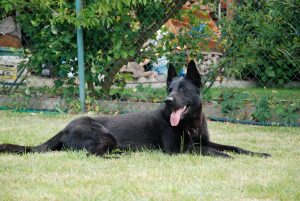
House training an adult dog can feel like a daunting task, especially if you’re starting from scratch. Whether you’ve recently adopted a rescue, brought home a dog with unknown history, or are dealing with a regression in house training, rest assured that with patience, consistency, and the right approach, a well-behaved, house-trained adult dog is absolutely achievable. This guide will walk you through a comprehensive strategy, covering everything from understanding the reasons behind accidents to implementing a tailored training plan.
Understanding the Challenges of House Training Adult Dogs
Why is it harder than with puppies?
House training an adult dog can present different challenges compared to puppies. Adult dogs may have pre-existing habits, anxieties, or medical conditions that contribute to accidents. Unlike puppies, who are essentially blank slates, adult dogs might have learned incorrect behaviors or developed negative associations with elimination.
- Established Habits: Adult dogs may have spent considerable time eliminating indoors previously, making it a habit to break.
- Anxiety and Stress: Moving to a new home, separation anxiety, or loud noises can trigger accidents.
- Medical Conditions: Urinary tract infections (UTIs), kidney problems, diabetes, or age-related incontinence can all contribute to inappropriate elimination. Always rule out medical issues with a vet visit first.
- Incomplete Previous Training: Previous training may have been inconsistent or ineffective, leading to confusion.
Common Reasons for Accidents
Understanding why your adult dog is having accidents is the first step to solving the problem.
- Lack of a Consistent Schedule: Dogs thrive on routine. Without a predictable schedule for potty breaks, they’re more likely to have accidents.
- Insufficient Supervision: If you’re not watching your dog closely, you might miss the subtle cues they need to go outside.
- Inadequate Clean-up: If accidents aren’t cleaned thoroughly, the lingering odor can attract your dog to eliminate in the same spot again. Enzymatic cleaners are essential for neutralizing these odors.
- Underlying Medical Issues: As mentioned previously, a visit to the vet is crucial to rule out any health problems that could be causing the accidents.
- Fear or Anxiety: Stressful situations, like thunderstorms or being left alone, can lead to accidents.
- Marking Behavior: Especially common in unneutered males, marking is a way for dogs to claim their territory.
Setting the Stage for Success
Veterinary Check-up
Before starting any training program, schedule a check-up with your veterinarian. This is crucial to rule out any underlying medical conditions that might be contributing to the accidents. For example, a UTI can cause increased urgency and frequency.
Creating a Safe and Comfortable Environment
A calm and secure environment is essential for successful house training.
- Provide a Designated “Den”: A crate or comfortable bed gives your dog a safe space. Never use the crate as punishment.
- Minimize Stressors: Identify and reduce potential stressors in your dog’s environment. This could involve using calming pheromone diffusers or providing a quiet space during thunderstorms.
- Establish a Routine: Dogs thrive on predictability. A consistent daily schedule for feeding, walks, and potty breaks can significantly reduce accidents.
Essential Supplies
Having the right tools on hand will make the house training process smoother.
- Enzymatic Cleaner: Crucial for completely removing urine odors, preventing repeat offenses.
- High-Value Treats: Use these as rewards for successful potty breaks outside. Keep them small and readily available.
- Leash: Always keep your dog on a leash during potty breaks, especially in the initial stages of training, to prevent wandering and ensure they focus on the task at hand.
- Crate (Optional): If you choose to crate train, select a crate that is appropriately sized for your dog – big enough for them to stand up, turn around, and lie down comfortably.
- Potty Training Bells (Optional): Teaching your dog to ring a bell when they need to go outside can be a useful communication tool.
Implementing a House Training Plan
Establishing a Potty Schedule
Consistency is key to house training success.
- Regular Potty Breaks: Take your dog outside first thing in the morning, after every meal, after naps, after playtime, and before bedtime. Initially, this might mean going out every 2-3 hours.
- Designated Potty Spot: Choose a specific spot in your yard for your dog to eliminate. The familiar scent will encourage them to go.
- Positive Reinforcement: When your dog eliminates outside, praise them enthusiastically and offer a high-value treat immediately. Use a consistent phrase like “Good potty!”
- “Go Potty” Command: Use a verbal cue like “Go potty” or “Do your business” when you take your dog to their designated spot. Eventually, they’ll associate the command with the action.
Supervision and Prevention
Constant supervision is crucial, especially in the early stages.
- Direct Supervision: When you’re home, keep your dog within your sight. Use a leash if necessary to keep them close.
- Crating When Unsupervised: If you can’t supervise your dog, confine them to their crate. Most dogs won’t eliminate in their crate if it’s appropriately sized.
- Recognizing the Signs: Learn to recognize your dog’s cues that they need to go outside, such as circling, sniffing, squatting, or whining.
Dealing with Accidents
Accidents will happen, even with the best training. The key is to handle them properly.
- Interrupting the Accident: If you catch your dog in the act, calmly interrupt them with a firm “No!” (without yelling) and immediately take them outside to their designated spot. If they finish eliminating outside, praise and reward them.
- Cleaning Up Thoroughly: Use an enzymatic cleaner to completely remove the urine odor. Avoid using ammonia-based cleaners, as they can smell similar to urine and encourage repeat offenses.
- Avoid Punishment: Never scold or punish your dog for having an accident. This will only make them fearful and anxious, and could worsen the problem. They won’t understand why they’re being punished, and it can damage your relationship.
- Documenting Accidents: Keep a log of when and where accidents occur. This can help you identify patterns and adjust your training plan accordingly. For example, if accidents consistently happen between 3 PM and 4 PM, you may need to add an extra potty break during that time.
Addressing Specific Challenges
Separation Anxiety
If your dog’s accidents are related to separation anxiety, address the anxiety itself.
- Counter-Conditioning: Associate your departure with positive experiences, such as giving your dog a special treat or toy before you leave.
- Gradual Departures: Practice short departures, gradually increasing the duration over time.
- Professional Help: Consult with a certified professional dog trainer or behaviorist for guidance on managing separation anxiety.
Marking Behavior
If your dog is marking, neutering is often the first step.
- Neuter/Spay: Neutering or spaying can significantly reduce marking behavior, especially in males.
- Thorough Cleaning: Clean marked areas thoroughly with an enzymatic cleaner.
- Supervision and Redirection: Supervise your dog closely and redirect them if they start to lift their leg indoors.
- Belly Bands: For male dogs, a belly band can prevent marking in the house while you are retraining.
Medical Conditions
If medical issues are contributing to accidents, follow your veterinarian’s recommendations. This might include medication, dietary changes, or other treatments. Work with your vet on a plan that considers both the medical needs and behavioral aspects of house training.
Conclusion
House training an adult dog requires patience, consistency, and a tailored approach. By understanding the underlying reasons for accidents, creating a supportive environment, and implementing a structured training plan, you can successfully house train your adult dog. Remember to consult with your veterinarian to rule out any medical conditions, and don’t hesitate to seek guidance from a professional dog trainer or behaviorist if you’re struggling. With dedication and perseverance, you can achieve a happy, healthy, and house-trained companion.